Trap-Neuter-Return, commonly called TNR, is the most effective long-term approach to managing community cat populations. It works because it addresses the root cause of population growth instead of just moving cats out of the picture temporarily. This post explains how TNR works, why removal alone fails, and what resources are available if you are dealing with a community cat situation in western Maine.
What Is a Community Cat
Community cats are unowned cats who live outdoors. They are not suited for indoor living and are not candidates for traditional shelter adoption. Community cats have learned to live near people but maintain a wariness of humans. They typically live in groups called colonies and have established territories they return to.
These cats are distinct from lost or abandoned owned cats, though the two can sometimes be confused. A community cat has usually lived outside its whole life. A recently lost or abandoned cat may appear feral but often is not. If you are unsure whether a cat is a community cat or a lost owned cat, use a neighbor check paper collar as a first step before taking further action.
How TNR Works
The process has three steps.
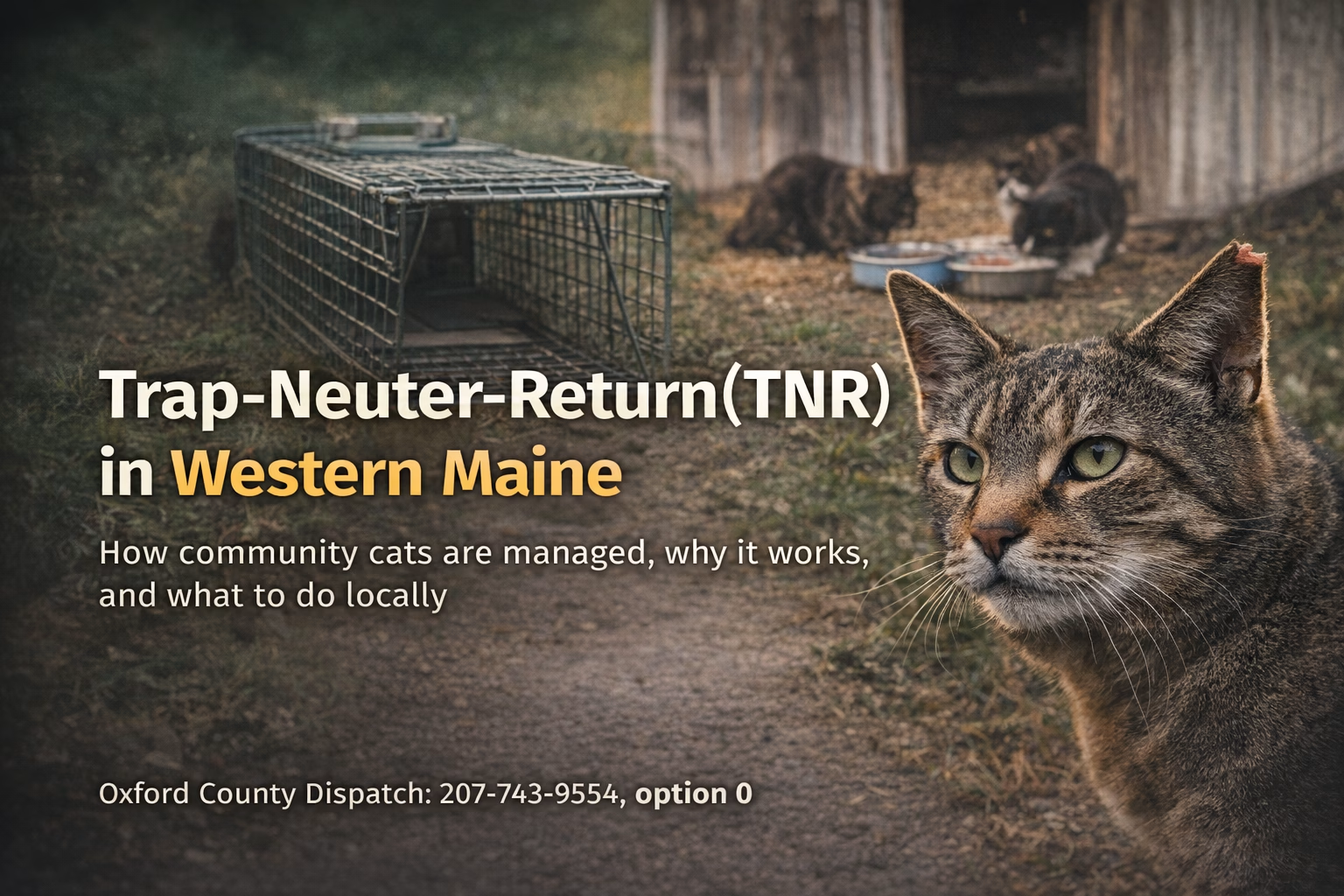
First, cats in a colony are humanely trapped using box traps, typically baited with food. Trapping is usually done early morning or around the cats’ established feeding time.
Second, the trapped cats are transported to a veterinary clinic or spay/neuter provider. There, they are sterilized, vaccinated for rabies, and given an ear tip. The ear tip is a small cut to the tip of one ear made while the cat is under anesthesia. It is the universal sign that a cat has been through TNR and does not need to be trapped again.
Third, the cats are returned to their colony location after recovery. Colony caretakers manage feeding, monitor for new cats or sick individuals, and coordinate trapping efforts over time. As the colony ages and no new kittens are born, the population naturally declines.
Why Removal Alone Does Not Work
Traditional trap-and-remove approaches have been tried for decades and have consistently failed to reduce community cat populations long-term. The reason comes down to something called the vacuum effect.
When cats are removed from a territory, the space does not stay empty. Other unsterilized cats in the surrounding area sense the opening and move in. They breed. The population rebounds, sometimes faster than before. The cycle starts over.
TNR breaks this cycle by stabilizing the colony in place. Sterilized cats hold their territory, which blocks new unsterilized cats from moving in. Over time, with consistent colony management, the population declines on its own. TNR also reduces nuisance behaviors driven by mating instinct, including yowling, fighting, and roaming.
Alley Cat Allies has documented the vacuum effect extensively and describes TNR as the only humane and effective approach to community cat populations. The Humane Society of the United States supports TNR as the preferred method for managing feral and community cat colonies.
Maine Resources for TNR
Cat Coalition of Western Maine is a TNR program, sanctuary, and spay/neuter clinic organizer serving western Maine communities. They work directly within communities to help community cats and are an active local resource for Oxford County situations. Their monthly clinics are run in collaboration with Animal Welfare Society in Kennebunk.
Maine Humane offers a TNR resource directory, a statewide cat tracker for registering and coordinating colony management, and connections to local spay/neuter clinics and volunteer groups.
Community Cat Advocates assists with spaying and neutering neighborhood strays and feral cats, takes feral cats from shelters, and works to reduce the number of cats entering the shelter system. They are an active resource for Oxford County situations.
SpayMaine provides low-cost spay and neuter services and is a practical option for residents who need affordable veterinary access for community cats.
Harvest Hills Animal Shelter in Fryeburg serves Sumner, Stoneham, and the Oxford County Unorganized Territories. Responsible Pet Care in Oxford serves Buckfield, Hartford, and West Paris. Both have experience with community cat situations. Contact dispatch at 207-743-9554, Option 0, if you need help connecting with either shelter.
What Maine Law Says About Community Cats
Maine does not have a statewide TNR statute, but nothing in Maine law prohibits TNR. Community cats actively managed by a caretaker are in a different situation than a genuinely homeless feral cat with no one looking after them. Under 7 § 3919, an ACO may seize a stray cat, but coordinated colony management with documented veterinary care changes the picture significantly.
If you are managing a colony and working with a TNR organization, document your efforts. Know which cats are ear-tipped. Keep records of veterinary care. That documentation matters if questions ever come up about the cats in your area.
TNR in Western Maine
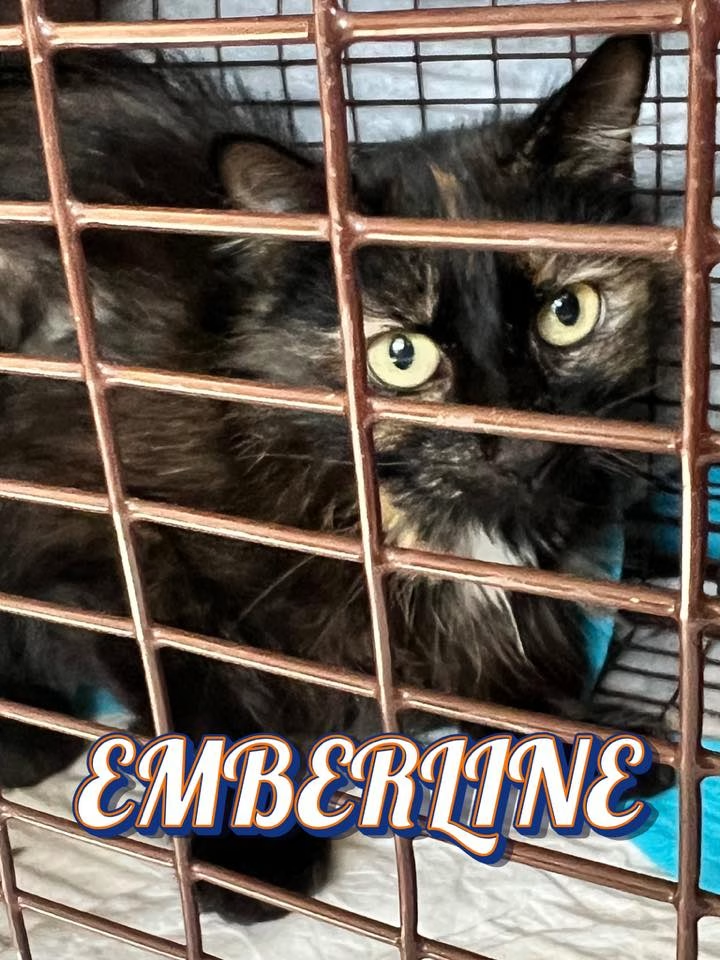
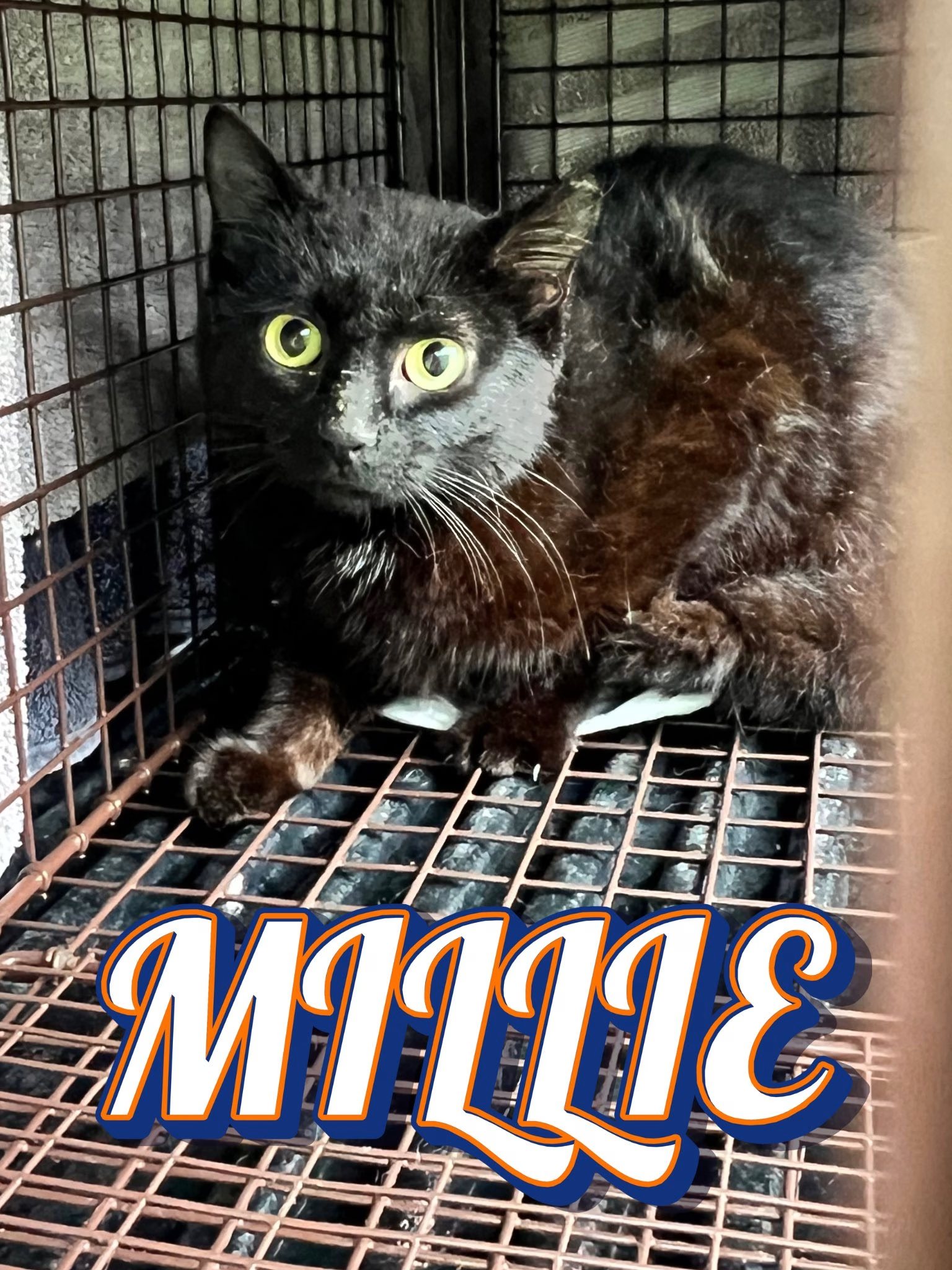
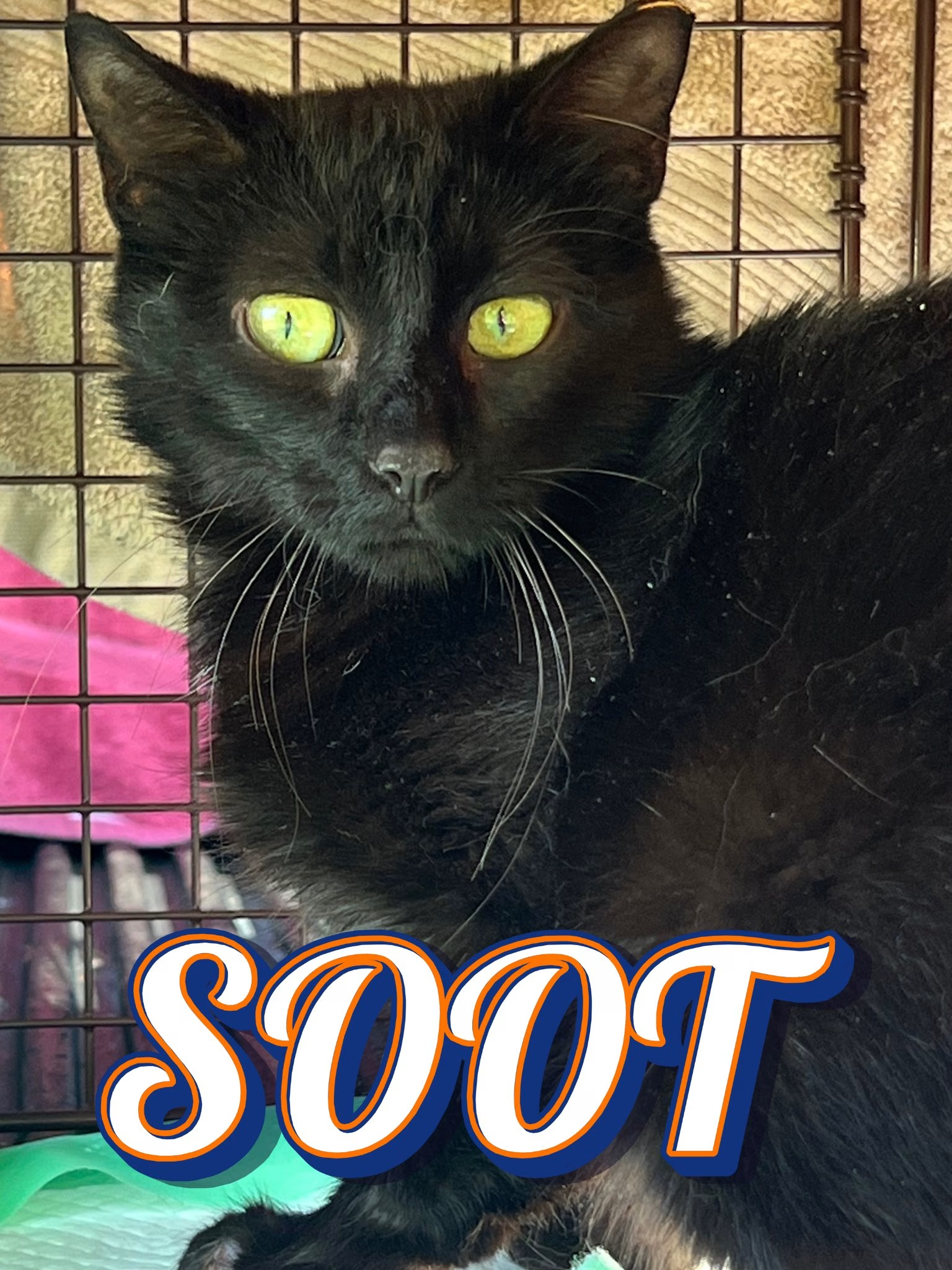
The West Paris area has an active community cat colony managed through TNR. That colony is being served through the Cat Coalition of Western Maine, which invited West Paris into their program and coordinates monthly spay/neuter clinics through their collaboration with Animal Welfare Society. Several of those cats are documented on this site with individual profiles showing their ear tips, temperaments, and current status. You can see them on the Community Cats page.
If you are dealing with a community cat situation in Buckfield, Hartford, Sumner, West Paris, Stoneham, or the Oxford County Unorganized Territories, reach out through dispatch at 207-743-9554, Option 0. I can connect you with the right resources and talk through the options for your specific situation.
For more on how stray cats are handled under Maine law, see the Stray Cats and Small Animals in Maine (7 § 3919) post. For local pet assistance resources, visit the Pet Resources for Western Maine Residents page. For common questions about animal control in this area, see the Animal Control FAQ.