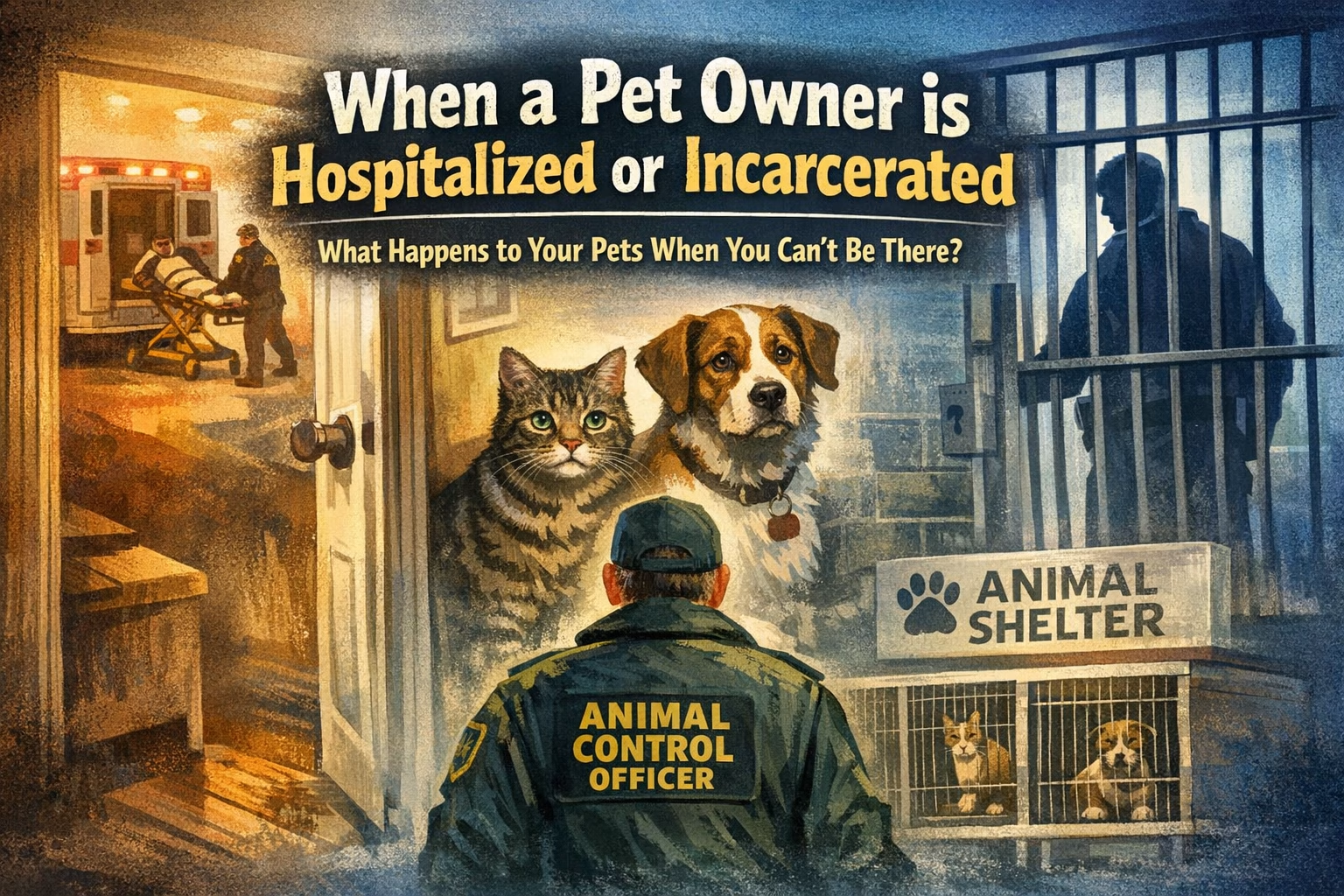
A pet owner may sometimes be hospitalized or incarcerated. Alternatively, they might be admitted to a facility, leaving their animals at home with no one to care for them. It happens more often than people expect. It quickly puts everyone in a difficult spot: the animals, the family, and me as your ACO.
Sometimes I’m called while first responders are still on scene. Other times it’s days later and the animal has been alone since the owner left. The situation looks different depending on when the call comes in. But in every case, the goal is the same: make sure the animal is safe and give the owner the best possible chance of getting it back.
Here’s what actually happens, what Maine law says, and what you should do whether you’re planning ahead or you’re in the middle of it right now.
Maine Has a Law Written Specifically for This
Most people don’t know it, but Maine has a statute written exactly for the situation where a pet owner is hospitalized or incarcerated. Maine Title 7, Section 3919-B covers the disposition of a pet when the owner is institutionalized. It spells out what the shelter has to do, what the owner’s rights are, and what happens if no one acts. The whole process below flows from that law.
This is separate from general animal cruelty law under 7 § 4011. Section 3919-B was written specifically for situations where a pet owner did not intentionally abandon their animal but is unable to return.
When I’m Called While Responders Are Still on Scene
Not every call comes after the fact. When a pet owner is hospitalized or taken into custody, I sometimes get called while EMTs, deputies, or the Sheriff’s Office are still on scene. Dispatch may route the call, or a deputy or family member reaches out directly. In those situations, my approach is different than a standard welfare check.
When I arrive while a response is still active, the first thing I do is try to find someone who can take responsibility for the animal right then. A family member, a neighbor, a friend who has a key. Someone the owner would trust. If that person is willing and able, I can leave the animal in their care, document who has it and how to reach them, and follow up as needed.
That is always the better outcome. The animal stays somewhere familiar, the owner has a realistic path to getting it back quickly, and the shelter system stays available for animals that truly need it.
If no one can be found or no one is willing to step up, I take the animal. At that point the process under Section 3919-B kicks in, the shelter sends the required notice, and the 10-day window begins.
The key distinction here is that this is not an abandonment situation. The owner did not walk away. Something happened to them. That context matters in how I handle it, even if the legal framework that follows is the same once the animal goes to a shelter.
When I’m Called After the Pet Owner Has Already Been Gone
When I respond to a report that a pet owner is hospitalized or incarcerated and their animals have been left without care, I assess the situation on the ground first.
If the animal has food, water, proper shelter, and someone already checking on it, I document the situation and monitor it. An animal that’s being cared for is not in immediate danger.
If the animal is alone with no one to care for it and no arrangements have been made, I take possession. The animal goes to one of my shelter partners: Responsible Pet Care in Oxford or Harvest Hills Animal Shelter in Fryeburg, depending on which town the owner lives in.
When I bring the animal to the shelter, I am required to provide the owner’s name and last known address, the name and address of the facility where the owner is hospitalized or incarcerated, and my own name, address, and official capacity. That information starts the clock on the legal process.
The 10-Day Notice: What Happens After a Pet Owner Is Institutionalized
Once the shelter accepts the animal, the clock starts immediately.
The shelter is required to send a written notice by mail, return receipt requested, to the owner’s last known address within 24 hours of receiving the animal. That notice informs the owner of their rights under Section 3919-B.
From there, the owner has 10 days to act. To get the animal back, the owner must pay the costs incurred for food, shelter, and veterinary care. The shelter can also release the animal to a person designated in a letter signed by the owner as acting on their behalf. So if the owner is still in the hospital or in custody, they can authorize someone else in writing to pick the animal up and cover those costs.
If no one acts within that window, the outcome is significant. If an owner fails to arrange for release within 10 days of the animal’s acceptance, ownership vests with the shelter at the end of that period. The shelter can then proceed with adoption, transfer, or other lawful disposition.
That is not a technicality. It is a hard deadline with a real consequence: the owner loses legal ownership of their animal.
What I Can and Can’t Do
I have legal authority to take possession of an animal when a pet owner is hospitalized or incarcerated and there is no one to care for it. I do not need a welfare emergency to act under Section 3919-B. An animal alone with no caretaker and an owner who is institutionalized is exactly what this statute was written for.
What I cannot do is hold animals myself for extended periods. Once an animal goes to the shelter, the shelter manages the legal process from there, including sending the required notice.
I also cannot waive or extend the 10-day window. That timeline is set by state law, not by me or the shelter.
Liability Protections Under Section 3919-B
Maine law protects everyone acting in good faith under this process. A person who brings a pet to a shelter under Section 3919-B is not civilly liable to the owner for the loss of that pet resulting from its release, transfer, or disposition. The same protection applies to veterinarians, humane agents, animal control officers, and animal shelters.
In plain terms: if I take your animal because you are in the hospital and there is no one to care for it, and the shelter later transfers ownership because no one responded within 10 days, you cannot sue me or the shelter over that outcome.
If You’re in a Crisis Right Now
If you are the one who has been hospitalized, arrested, or admitted somewhere and you have animals at home, contact someone immediately to make the call on your behalf.
Anyone can reach me through Oxford County Dispatch at 207-743-9554, Option 0.
The person calling should be ready to provide:
- Your name and address
- How many animals are at the property and what kind
- When they were last fed and watered
- Whether anyone has a key or access
- Where you are (facility name and address if known)
The earlier that call comes in, the more options exist.
If you are at the facility and able to communicate, you can write a letter authorizing someone to pick up your animal from the shelter on your behalf. That is explicitly allowed under Section 3919-B. Talk to shelter staff about what that letter needs to include.
If You Know Someone Else Is in This Situation
If your neighbor, friend, or family member has been hospitalized, arrested, or institutionalized, call it in if you know they have pets at home. You are not getting anyone in trouble. You are potentially keeping an animal alive and keeping an owner from losing their pet permanently.
Call Oxford County Dispatch at 207-743-9554, Option 0.
Plan Ahead Before Something Happens
Nobody plans to be hospitalized or incarcerated. But if you have pets, you need at least one person who can access your home. They should know to check in if you go silent.
Name an emergency contact for your animals. This is someone who can step in within 24 hours. Make sure they know they are your person.
Leave a note somewhere visible. A card in your wallet or a note on your fridge can list your animals. Add an emergency contact to make a real difference. This helps first responders figure out what to do.
Talk to your vet. Some practices will accept emergency boarding when an owner is hospitalized. Know ahead of time whether yours will.
If you are admitted somewhere, act fast. You have 10 days from when the shelter accepts your animal to arrange for its release. That window does not pause. Make contact as soon as you are able.
What Happens After the 10 Days
If no one responds within the 10-day window, the shelter gains ownership. It can then proceed with adoption or other lawful disposition. Getting the animal back after that point is entirely up to the shelter and is no longer a legal right.
It does not mean the animal is immediately gone. Shelters are not looking to move animals out the door faster than necessary. But the legal protection that comes with being the owner expires at day 10.
The best way to avoid that outcome is to make contact early. You can do this either directly or through someone acting on your behalf. See also: how Maine handles stray cats under 7 § 3919 for related context. It provides insights on how animals without owners are handled under state law.
Oxford County Dispatch: 207-743-9554, Option 0